

When high street banking apps lock up simultaneously on the final Friday of the month, millions of British households and business owners face an immediate operational blackout. Direct Debits fail to trigger, point-of-sale debit card authorisations decline at checkout terminals, and emergency funds transferred between accounts disappear into settlement clearing queues. Understanding why bank outages occur across the UK financial sector—and knowing your statutory rights under British financial regulations—is essential to protecting your credit file and recovering direct financial losses.
What Triggers Nationwide Bank Outages Across the UK?
Modern British retail banks operate on hybrid technological architectures. While customer-facing smartphone applications feature sleek modern interfaces, the transactional ledger beneath them often relies on legacy mainframe core banking platforms designed decades ago. Widespread bank outages are typically precipitated by three core architectural bottlenecks:
- Core Ledger Batch Clearing Contention: On national paydays and HMRC self-assessment tax deadlines, transaction throughput surges by several hundred percent. When central ledger databases experience database thread locking or lock contention, API middleware times out, presenting users with generic "system maintenance" or "error 500" screens.
- Cloud Gateway and Open Banking API Latency: Third-party integrations, Strong Customer Authentication (SCA) biometric verification handshakes, and Open Banking feeds route through redundant cloud gateways. A failure in an upstream authentication microservice can render the entire mobile app inaccessible even if the central ledger remains intact.
- DNS Routing and Distributed Denial of Service (DDoS) Mitigation: Core banking domains employ enterprise web application firewalls. Misconfigured routing policies or automated traffic-scrubbing actions can inadvertently throttle legitimate customer application traffic.
Faster Payments Scheme vs BACS and CHAPS: The Architecture of a Transfer Freeze
In the United Kingdom, instant interbank transfers are processed via the Faster Payments System (FPS), operated by Pay.UK. Under normal operational conditions, Faster Payments settle within six seconds, although the legal scheme standard permits up to two hours.
During severe bank outages, participating direct settlement banks may place their payment gateways into "deferred net settlement" or offline queueing modes. When this happens:
- Your account balance shows an immediate debit because the originating bank's ledger has earmarked the funds.
- The transaction is queued in an internal settlement buffer and cannot be broadcast to the beneficiary bank's gateway.
- The beneficiary sees zero incoming balance, leading to missed mortgage payments, delayed completion on property transactions, or cancelled vendor dispatches.
Crucially, customers should never re-attempt a pending transfer immediately. Duplicating an £800 rent payment during an active gateway backlog often leads to double-debiting once transaction processing queues spontaneously clear. For detailed contingency steps on payment redundancies and secondary current accounts, read our guide on financial resilience and EV payment redundancy.
ATM Cash Machine Failures (LINK) and Point of Sale (POS) Declines
The British cash machine infrastructure is coordinated by the LINK network. While individual ATMs are physically operated by cash management companies or individual high street banks, transaction authorization relies on interbank messaging switches.
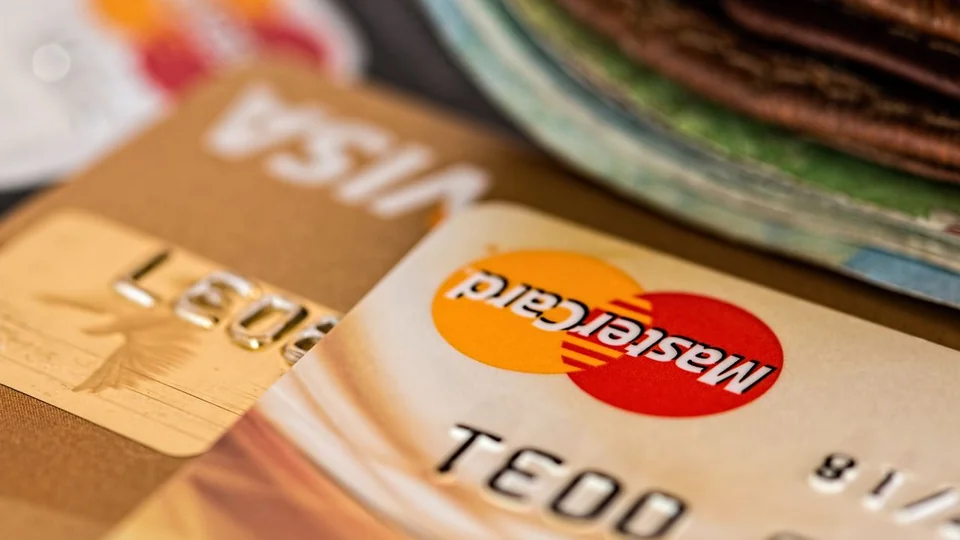
When core bank outages paralyze an issuing institution's authorisation host, POS chip-and-pin card readers and contactless Apple Pay / Google Wallet transactions will return "Declined - Issuer Unavailable" (Response Code 05 or 91). Carrying an alternative payment method issued by an independent banking group (such as having a Visa card backed by one banking group and a Mastercard issued by a distinct financial institution) remains the single most effective personal hedge against localized retail disruption.
FCA Consumer Duty and Your Right to Claim Compensation
Under the strict regulatory standards enforced by the Financial Conduct Authority (FCA) Consumer Duty (Policy Statement PS22/9), regulated financial institutions must act to deliver good outcomes for retail customers and prevent foreseeable harm.
If prolonged bank outages prevent you from accessing your own money, completing an urgent transaction, or paying critical bills, banks cannot simply dismiss the event as an unforeseen IT anomaly. You are legally entitled to claim:
- Waiver of Penalty Fees and Overdraft Interest: Any late payment fees, default charges, or unauthorized overdraft interest triggered because your bank failed to process an outgoing transfer must be completely waived and reversed.
- Direct Consequential Financial Losses: If a mortgage payment or vehicle finance direct debit bounced due to an institutional outage, the bank is liable to cover third-party late fees charged to you.
- Credit File Rectification: If a missed payment was reported to credit reference agencies (Experian, Equifax, or TransUnion) while their payment systems were down, the bank is legally obligated to submit an expedited "Notice of Correction" to purge the negative marker.
- Distress and Inconvenience Compensation: The Financial Ombudsman Service (FOS) regularly awards compensation (£50 to £500+) for substantial emotional distress, medical anxiety, or travel stranding caused by prolonged account inaccessibility.
Step-by-Step Protocol to Enforce Your Bank Outage Compensation Claim
To ensure your compensation claim is processed promptly without bureaucratic delays, follow this exact evidence-gathering sequence:
- Capture Timestamped Digital Evidence: Take screenshots of app error codes, failed transfer notifications, and merchant checkout decline receipts showing the exact minute of failure.
- Document Third-Party Penalty Charges: Request written confirmation from utility providers, landlords, or lenders showing the exact financial penalty or interest incurred due to the delayed payment.
- Generate a Formal Statutory Dispute Letter: Use our free, pre-formatted statutory dispute letter generator to produce a legally rigorous claim referencing FCA DISP rules and Consumer Duty regulations.
- Submit a Tier-1 Formal Complaint: Deliver your claim directly to your bank's designated complaints department. Under statutory regulations, they have a maximum of 15 business days for payment service disputes (or 8 weeks for standard banking disputes) to provide a binding Final Response letter.
- Escalate to the Ombudsman: If the bank rejects your claim or fails to respond within the statutory deadline, submit the case to the Financial Ombudsman Service (FOS) for independent arbitration. The ombudsman's decision is free to consumers and legally binding on the financial institution.