
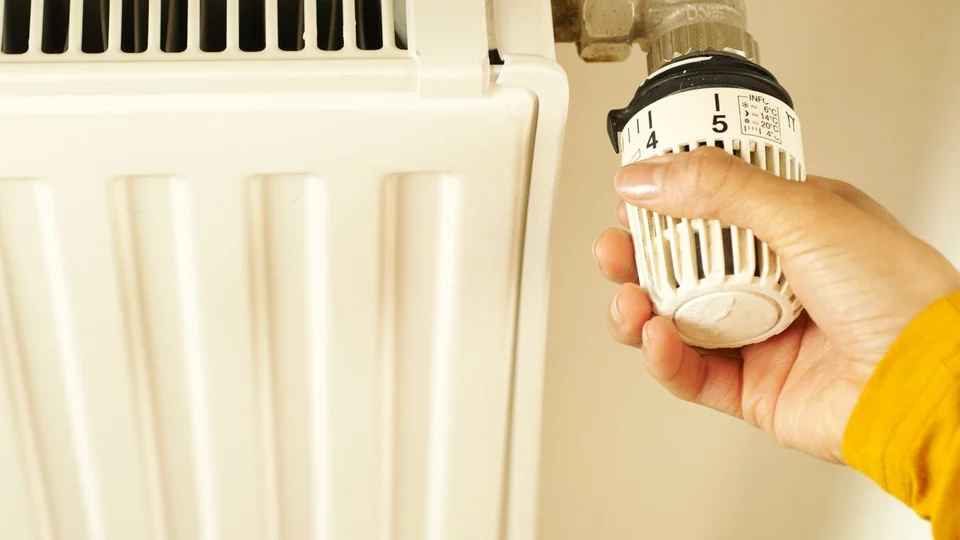
When winter temperatures plunge across Great Britain and Northern Ireland, a sudden electricity fault rarely affects lighting alone. Virtually every modern UK home heating system—whether an air source heat pump, a ground source heat pump or a mains gas combi boiler—stops producing warmth the instant local Distribution Network Operator (DNO) feeders trip. Before assuming your boiler or heat pump has developed an expensive mechanical fault, check the live UK power cut map or confirm your regional electricity operator through our Who Is My DNO lookup tool so you separate a street substation fault from an internal plumbing failure.
Understanding how low-carbon heat pumps, sealed gas boilers and external pipework behave before, during and immediately after a winter outage prevents burst heat exchangers, voided manufacturer warranties and hazardous DIY gas restarts. The seven safety and compensation rules below bring together current UK engineering practice and statutory consumer protections from Ofgem, the Health and Safety Executive (HSE), the Met Office and GOV.UK.
1. Why Both Heat Pumps and Gas Boilers Shut Down in a Power Cut
Many UK households still expect a gas-fired boiler or oil stove to keep warming radiators when electricity disappears. Aside from rare heritage open-flue systems with gravity circulation, modern domestic heating depends continuously on a 230V mains circuit—typically wired through a 3-amp fused spur next to your airing cupboard or kitchen wall—to drive electronic ignition, safety solenoids, printed circuit boards (PCBs), flue extraction fans and central heating circulation pumps.
Air Source and Ground Source Heat Pumps
Properties supported through the GOV.UK Boiler Upgrade Scheme or recent new-build specifications run low-temperature hydronic loops powered entirely by electricity. An inverter compressor, outdoor evaporator fan and primary circulating pump draw continuous electrical load. Unless your installation specifically incorporates an automatic transfer switch and an off-grid Emergency Power Supply (EPS) battery circuit rated for the compressor’s start-up draw, the entire unit powers down safely when the street grid drops.
Gas, LPG and Oil Combi Boilers
Gas-safe interlock valves snap shut automatically on loss of power so unburned fuel can never enter a sealed combustion chamber. Equally important, even smart radiator valves, wireless room thermostats and underfloor heating manifold actuators lose control signals or stay frozen in their last mechanical position until mains voltage stabilises.
| UK Heating System Type | Core Electrical Dependency | Behaviour During a Power Cut | First Safe Check on Restoration |
|---|---|---|---|
| Air Source Heat Pump (ASHP) | Compressor, outdoor fan, controller & zone pumps | Full shutdown; outdoor monobloc relies on anti-freeze valves or glycol | Inspect outdoor unit for ice build-up & clear any flow-error codes |
| Gas Combi / System Boiler | 3A fused spur, flue fan, PCB ignition & pump | Gas solenoid locks shut; digital clock or RF thermostat may lose schedule | Check external condensate pipe for frost & confirm 1.0–1.5 bar pressure |
| Electric Storage Heaters | Off-peak Economy 7 / dual-rate meter contactor | Retains stored core heat slowly; misses overnight charge window if grid is out | Confirm smart meter dual-rate contactor clock synced correctly |
| Direct Electric Panel / Underfloor | Dedicated radial MCB & wall programmer | Instant heat drop; programmer schedules often revert to default standby | Reset thermostat time/mode without overloading ring-main sockets |
If neighbouring properties and streetlamps are dark as well, report the outage immediately via the free national number Power Cut 105 (or 03457 643 643 in Northern Ireland) rather than booking an emergency heating call-out fee that a local plumber cannot resolve.
2. Thawing a Frozen Boiler or Heat Pump Condensate Pipe Safely
During severe winter cold snaps flagged under Met Office UK weather warnings, power outages frequently coincide with sub-zero overnight temperatures. Modern condensing boilers and outdoor heat pump drain trays channel slightly acidic water outside through narrow plastic waste pipes. While electricity is off and no warm discharge flows, standing water inside an unlagged external 21.5mm pipe freezes solid in under an hour.
Once electricity is restored, the appliance attempts to fire, detects blocked drainage through its internal pressure or condensate sensor, and immediately locks out—showing fault codes such as F28, F29, EA or L2 depending on the manufacturer. Follow this safe UK thawing sequence:
- Locate the external frozen section: Trace the white or grey plastic pipe emerging through the exterior wall behind the appliance down to the outside drain gully. Ice usually forms at exposed horizontal runs, 90-degree bends or the open termination end.
- Apply warm water—never boiling water: Pour warm (hand-hot, roughly 40–50°C) water slowly over the outer pipe wall using a watering can or jug, starting from the lowest end near the drain and working upwards. Rapidly pouring boiling kettle water onto brittle sub-zero PVC can crack elbow joints cleanly in half.
- Use a hot water bottle or microwave heat pack: For high exterior walls you cannot reach safely from ground level, hold or tie a cloth-wrapped hot water bottle against the lowest accessible bend rather than climbing an icy ladder.
- Reset once clear: After water drains freely from the pipe outlet, press the boiler reset button once for 3–5 seconds as described in your user manual.
- Never dismantle gas casings or cut sealed pipes: Under Health and Safety Executive (HSE) domestic gas safety rules, DIY removal of boiler cover panels or internal condensate traps is unsafe and illegal; call a Gas Safe registered engineer if faults repeat.
If you smell unburned gas or hear a hissing sound near pipework after freezing weather, leave internal rooms immediately and follow our UK gas emergency 0800 111 999 safety drill.

3. Protecting Pipes, Heat Exchangers & Underfloor Loops From Frost
When a rural overhead line comes down in winter gales, restoration can occasionally stretch past 12 hours. Air source heat pumps mounted outdoors face the highest freeze risk because outdoor water-carrying flow and return pipes circulate between the garden unit and the indoor cylinder cupboard.
- Do not switch off your outdoor heat pump isolator unnecessarily: Leave the rotary AC isolator outside in the ON position unless an electrician or flooding incident makes isolation essential. Monobloc heat pumps contain factory-fitted frost-protection pumps and small trace-heating elements that kick in automatically the second mains power returns—provided the outdoor isolator was left on.
- Know whether your loop has glycol or frost valves: Check your commissioning certificate for anti-freeze concentration (typically mono-propylene glycol) or mechanical anti-freeze dump valves fitted on the exterior flow and return pipes. Mechanical dump valves open automatically around 3°C if pump water stops moving, dripping water outside onto gravel to stop the plate heat exchanger from splitting.
- Trap residual indoor warmth systematically: Shut curtains, close chimney dampers and shut doors to unoccupied spare bedrooms or conservatories so stored radiator warmth slows indoor temperature decay near loft water tanks and bathroom pipework.
- Check smart meter credit if heating disappears alone: If streetlights outside are working and only your house is dark or your gas supply shut off in cold weather, check whether prepayment credit ran out before assuming a network fault—see our smart meter prepayment & friendly hours guide.
4. Safe Reset & Surge Checks Once Your Electricity Returns
High-voltage switching during grid repairs can introduce brief voltage transients when neighbourhoods energise. Taking five calm minutes before firing every heavy heating appliance protects delicate control boards:
- Check the consumer unit first: If your lighting circuits turn back on but your boiler or heat pump display stays blank, open your hallway consumer unit and verify whether the dedicated boiler spur MCB or main RCD/RCBO tripped during restoration. Reset a tripped switch once; if it trips a second time immediately, stop and call a qualified electrician.
- Check system water pressure before resetting: Look at the boiler pressure gauge or cylinder manifold pressure dial while pipework is cold. Normal resting cold pressure sits between 1.0 and 1.5 bar. If freezing pipe expansion or an open frost dump valve dropped pressure below 0.5 bar, repressurise via the filling loop per your manual—or leave an engineer to inspect any visible leak first.
- Re-sync programmer clocks & smart thermostats: Older digital wall programmers without battery backup lose the time of day during outages longer than a couple of hours, shifting heating schedules into the middle of the night.
- Do not bleed radiators without mains/pump safety: Bleeding upstairs radiators during a multi-hour blackout drops sealed heating circuit pressure below the boiler’s minimum threshold, blocking start-up until topped back up.
When Never to Restart Heating After an Outage
Never turn mains power back on to a boiler, immersion cylinder or heat pump controller if storm floodwater entered a garage, utility cupboard or basement, or if you spot dampness around the 3-amp fused spur, smell acrid plastic smoke, or see a boiler pressure needle spiked above 2.8 bar.
5. Emergency Heating Help via the Priority Services Register (PSR)
Homes heated exclusively by air source heat pumps, storage heaters or electric boilers have zero non-electric fallback when overhead distribution lines fail. Under Ofgem’s Priority Services Register rules, vulnerable UK residents do not need to navigate cold blackouts unaided.
Registration is free and shares your household status cleanly between both your energy supplier and your local electricity DNO. Households qualify if anyone living at the address is of State Pension age, lives with a disability or chronic medical condition (such as COPD, asthma, heart disease or mobility difficulties), is pregnant, or cares for children under five. During extended winter outages, PSR teams prioritise welfare calls, hot meals, battery banks and temporary safe heating equipment—review every eligibility category in our dedicated UK Priority Services Register setup guide.
6. Claiming Ofgem £95 Power Cut Payouts & GOV.UK Cold-Weather Cash
Households hit by prolonged heating loss during winter outages frequently confuse two entirely separate UK financial entitlements: statutory network compensation for the power cut itself, and means-tested winter cold-weather support funded through government or supplier schemes.
Ofgem Guaranteed Standards Compensation (All Households)
Under statutory regulations overseen by Ofgem and explained by Citizens Advice power cut guidance, every domestic electricity customer—regardless of income or heating type—qualifies for automatic compensation when an unplanned blackout exceeds statutory restoration deadlines:
- Normal weather unplanned fault: £95 automatically once supply remains off for 12 continuous hours, plus £45 for each additional 12-hour period.
- Category 1 severe storm: £85 after 24 continuous hours off supply, plus £45 for every extra 6-hour interval (up to statutory storm caps).
- Category 2 severe storm: £85 after 48 continuous hours off supply, plus £45 for each additional 6-hour block.
Check whether your fault window qualifies via our Ofgem £95 power cut compensation calculator, and raise formal escalation paperwork within three months using the UK regulatory dispute letter generator if your DNO has not paid automatically within 10 working days of restoration.
GOV.UK Cold Weather Payments & Warm Home Discount
Alongside network outage compensation, eligible households on qualifying income-related benefits (such as Pension Credit, Universal Credit or Income-related ESA) receive an automatic £25 through the GOV.UK Cold Weather Payment scheme whenever average local temperatures are recorded—or forecast—at 0°C or below for seven consecutive days between 1 November and 31 March. Low-income households meeting core or broader group criteria can also receive a one-off £150 electricity bill rebate via the GOV.UK Warm Home Discount scheme.
7. Pre-Outage Winter Checklist for UK Heat Pump & Boiler Owners
Completing six quick maintenance steps before severe winter weather settles across your postcode cuts both freeze-lockout delays and post-outage engineer call-outs:
- Upgrade and lag exterior condensate pipes: Ask your next annual service engineer to increase external exposed condensate runs to 32mm diameter wrapped in waterproof UV-resistant Class O lagging right down to the drain gully.
- Verify heat pump anti-freeze & backup isolation labels: Keep your installer’s commissioning sheet and emergency MCS engineer contact written beside the consumer unit, alongside your 105 fault reference.
- Pre-register for PSR with both energy supplier and DNO: Never wait until a snowstorm snaps regional overhead cables to request priority heating assistance.
- Top up sealed heating pressure gently before deep frosts: Confirm cold boiler/ASHP pressure sits near 1.2 bar so minor cooling contraction during an outage does not trigger low-pressure lockouts.
- Test thermostat backup batteries: Replace AA/AAA cells in wireless RF thermostats every autumn so wireless receivers re-pair immediately when grid power comes back.
- Save your local DNO tracker & postcode page: Bookmark your local UK live power cut status hub so you can check whether a winter heat failure is an area grid trip before paying out-of-hours heating fees.